
SPONSORED CONTENT
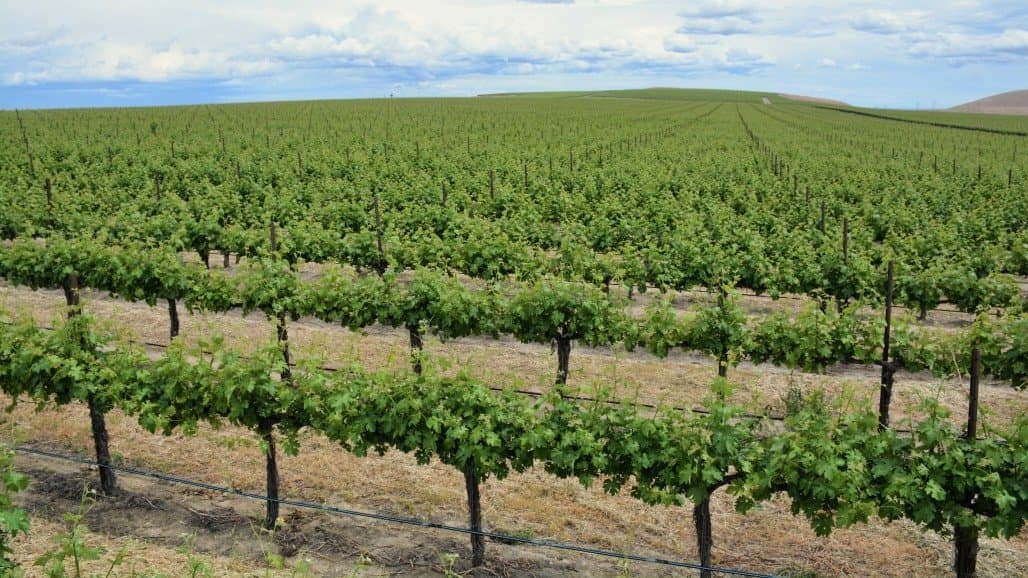
Wine grapes are the third-most-planted permanent crop in California behind almonds and pistachios. The state’s wine industry generates an astounding $88.12 billion in total economic activity, according to National Economic Impact Study of the American Wine Industry 2022.1
Between labor issues, erratic weather patterns and international competition, the California wine industry continues to face challenges that hold the potential to lower profit margins and negatively impact the quality and marketability of their wine grapes each year.
Although some of these challenges cannot be controlled by vineyard managers, some can. As teams of pest control advisers (PCAs) scout vineyards during the season, they look for signs of insects and diseases that can lower grape quality and reduce harvest tonnage.
What You Can’t See Can Hurt You
The success of grape production and subsequent wine grape quality in California can be attributed in large part to the state’s range of soil types. The mineral content, ability to retain water and fertility levels of the various soils are just a few characteristics that contribute to nutrient uptake, grapevine health and fruit development and quality.
As the industry prepares for another season, PCA and vineyard managers will be monitoring the young vines and evaluating the vigor as the vines begin to establish. The root systems begin searching for water and nutrients from the soil — a vital agronomic foundation for a healthy vineyard. Without question, healthy root systems are precursors to good grapevine health.
Protecting developing vines above the surface is somewhat easier thanks to visible signs of insect pests and diseases. It is often the pests below the soil’s surface that leave PCA and vineyard managers with a vexing problem: controlling microscopic nematodes.
Advertisement
Spring and fall root flush, when vines are nonbearing, are the optimum times to manage these microscopic pests, which can attack young roots — stunting plant health growth and robbing vines of their full potential. The presence of root-knot nematodes is visually obvious by the galling left on a plant’s feeder roots; however, PCA and vineyard managers rarely dig up roots unless they suspect a problem. Galls choke the vine’s ability to take up those needed nutrients, which can lead to other plant stress issues.
Root-knot, lesion and dagger are the most common plant-parasitic nematodes that require control in California wine country. Pre-plant fumigation provides excellent protection to newly planted vines against plant-parasitic nematodes. However, as vines get established, in-season nematicides become an important management tool to continue protection against plant-parasitic nematodes.
The Control Solution
Grapevines typically progress into the bloom stage around the middle of May. Harvest can occur from September through October.
“During the spring and fall root flush are when I recommend conducting soil samples to evaluate the presence and population levels of nematodes,” says Bryce Borges, market development specialist, Corteva Agriscience. “As agriculture in general continues to promote the importance of soil health, there’s never been a better opportunity to control nematodes with a product that has no negative effects on beneficial soil organisms than Salibro CA nematicide.”
Salibro® CA nematicide with Reklemel® active is the first sulfonamide nematicide. It provides a new mode of action for effective resistance management along with a more favorable environmental profile than other products on the market today. It offers exceptional compatibility with soil health, including beneficial nematodes, soil fungi and soil bacteria.
“Salibro nematicide allows for a wide range of application timings and methods, including chemigation,” Borges says. “It requires minimal personal protective equipment for applicators and can help get your nonbearing vines off to a good, healthy start, providing them a strong foundation from the beginning.”
Advertisement
Salibro CA nematicide with Reklemel active, a novel nonfumigant nematicide that is highly selective against plant-parasitic nematodes, is one of the very few post-plant nematicides available for use in nonbearing vineyards.
Contact your local Corteva Agriscience representative or retailer for additional information. Salibro CA nematicide is available for sale for the 2025 season.
1John Dunham & Associates. 2022. National Economic Impact Study of the American Wine Industry 2022. https://wineamerica.org/economic-impact-study/california-wine-
# # #
™ ® Trademarks of Corteva Agriscience and its affiliated companies. Salibro® CA is only registered for sale or use in California. Contact your state pesticide regulatory agency to determine if a product is registered for sale or use in your state. Reklemel® is a registered active ingredient. Always read and follow label directions. ©2025 Corteva. 038109 BR (07/25) CAAG5SBRO059